

Rotary gear pumps are essential tools in industrial fluid handling, offering reliable performance for transferring oils, chemicals, and other viscous liquids. Their durability and efficiency make them a preferred choice across manufacturing, chemical processing, and lubrication systems. However, like any mechanical equipment, rotary gear pumps require regular maintenance to maximize their lifespan and maintain optimal performance. Understanding the best practices for upkeep can help operators prevent costly downtime and improve long-term efficiency.
Understanding Rotary Gear Pumps
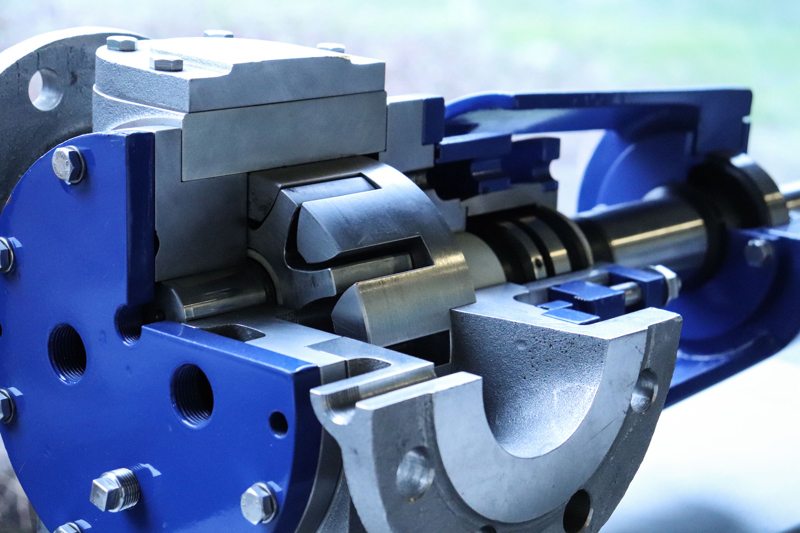
Rotary gear pumps are positive displacement pumps that use intermeshing gears to move fluid from the inlet to the outlet. The gears rotate within a precisely machined casing, trapping liquid between the teeth and the pump housing. This design ensures a steady, controlled flow regardless of system pressure, making rotary gear pumps ideal for applications that demand accuracy and reliability.
The pumps are commonly used to handle a wide range of fluids, from thin oils to viscous chemicals. Their design allows them to operate efficiently even with high-viscosity liquids, ensuring smooth fluid transfer with minimal pulsation.
The Importance of Regular Maintenance
Routine maintenance of rotary gear pumps is crucial for several reasons. First, it helps prevent unexpected failures that can disrupt operations and lead to costly repairs. Second, proper maintenance improves the efficiency of fluid transfer, reducing energy consumption and wear on associated equipment. Finally, regular care extends the operational life of the pump, ensuring a better return on investment.
Key Maintenance Practices for Rotary Gear Pumps
- Inspect Gears and Bearings Regularly
The gears and bearings are central to the pump’s function. Over time, wear can lead to decreased efficiency or even pump failure. Regular visual inspections and vibration analysis can detect early signs of wear. Replacing worn components promptly helps maintain consistent flow and prevents more extensive damage. - Monitor and Maintain Seals
Seals prevent leakage and ensure that the pump operates under proper pressure. Inspect seals for wear, cracks, or chemical damage, and replace them as necessary. Proper seal maintenance reduces the risk of contamination and ensures reliable operation. - Check Alignment and Mounting
Misalignment between the pump and motor can cause excessive vibration, noise, and uneven wear on internal components. Regularly verify that the pump is properly aligned and securely mounted to prevent mechanical stress and prolong the life of the drive components. - Lubrication of Moving Parts
Adequate lubrication reduces friction and wear on bearings and gears. Follow manufacturer guidelines for the correct type and frequency of lubrication. Using the proper lubricant ensures smooth operation and protects components from overheating or premature failure. - Maintain Fluid Quality
Contaminated fluids can accelerate wear and damage the pump’s internal components. Regularly monitor fluid quality, remove particulates, and ensure the correct viscosity for optimal pump performance. Clean, compatible fluids help maintain efficiency and prevent costly repairs. - Temperature and Pressure Monitoring
Operating a rotary gear pump outside its recommended temperature or pressure range can cause significant wear and damage. Monitor these parameters continuously, and install sensors or gauges to detect anomalies. Staying within operational limits protects internal components and ensures long-term reliability.
Preventative Maintenance Scheduling
Creating a scheduled maintenance plan is essential for maximizing the life of rotary gear pumps. This plan should include routine inspections, lubrication, alignment checks, and seal replacements at defined intervals. Documentation of maintenance activities helps track pump performance, identify recurring issues, and plan for proactive component replacements.
Benefits of Proper Maintenance
Following proper maintenance procedures provides several advantages for industries relying on rotary gear pumps:
- Enhanced Pump Longevity – Regular care reduces wear and prevents early failure, ensuring pumps remain operational for longer periods.
- Consistent Performance – Well-maintained pumps maintain steady flow rates and reliable operation, critical for precise industrial processes.
- Reduced Downtime – Proactive maintenance prevents unexpected breakdowns, minimizing production interruptions.
- Cost Efficiency – Extending the life of the pump and reducing repair frequency lowers overall operational costs.
- Safety and Compliance – Proper maintenance ensures the pump operates safely, reducing the risk of leaks, spills, or equipment damage.
Choosing the Right Gear Pump Manufacturer
Partnering with a reliable gear pump manufacturer can significantly impact maintenance requirements and overall performance. Manufacturers with a strong track record provide pumps with high-quality components, precise engineering, and clear maintenance guidelines. They may also offer technical support, spare parts, and guidance for installation and upkeep, which simplifies maintenance and ensures long-term reliability.
When evaluating a gear pump manufacturer, consider factors such as experience in producing rotary gear pumps, customization options for specific applications, and adherence to industry standards. A reputable manufacturer provides pumps designed for durability, efficiency, and ease of maintenance, reducing the likelihood of operational issues.
Maximizing the Life of Rotary Gear Pumps
Rotary gear pumps play a critical role in industrial fluid handling, offering precise, reliable, and efficient operation for a wide range of applications. Their performance, however, depends on proper maintenance and care. By regularly inspecting gears and bearings, maintaining seals, monitoring alignment, ensuring proper lubrication, and keeping fluids clean, operators can extend the life of their rotary gear pumps significantly.
Additionally, partnering with a trusted gear pump manufacturer ensures access to high-quality components, expert guidance, and reliable support, further enhancing pump longevity. Adhering to these maintenance practices not only protects your investment but also ensures consistent, efficient fluid transfer, reduces operational costs, and minimizes the risk of downtime. With the right care and attention, rotary gear pumps can provide decades of dependable service in demanding industrial environments.